
Cambridge House- Valley Provincial-Crafting Bespoke Steel Planters: From 3D Design to Lead Cladding Mastery
- Architectural Elegance

- Apr 8
- 3 min read
Updated: Apr 9

Creating a steel planter that stands out requires more than just welding metal together. It demands precision, creativity, and a deep understanding of materials. When the project involves cladding these planters in lead, the process becomes even more intricate. Each planter is unique, designed to meet specific aesthetic and functional needs. This post explores the journey from the initial 3D design to the final lead cladding, revealing the craftsmanship behind these award-winning bespoke steel planters.
Designing with Precision Using 3D Software
The process begins in the digital realm. Using SolidWorks, a powerful 3D CAD software, designers create detailed models of each planter. This step is crucial because it allows for exact measurements and visualizations before any physical work starts. The 3D model captures every curve, edge, and detail, ensuring the final product matches the client’s vision.
Designers can experiment with shapes and sizes, adjusting the planter’s form to fit specific spaces or styles. This flexibility reduces errors and material waste during production. The digital model also serves as a blueprint for the workshop team, guiding them through the fabrication process.
Bringing Designs to Life on the Workshop Floor
Once the 3D design is finalized, the project moves to the workshop. Skilled fabricators weld steel lasered components according to the digital plans. This stage requires careful attention to detail to maintain the integrity of the design. The steel structure forms the planter’s core, providing strength and durability.
After welding, the planters are sent for powder coating. This step adds a protective layer that prevents rust and enhances the planter’s appearance. Powder coating also prepares the surface for the next phase: lead cladding.
The Art of Lead Cladding
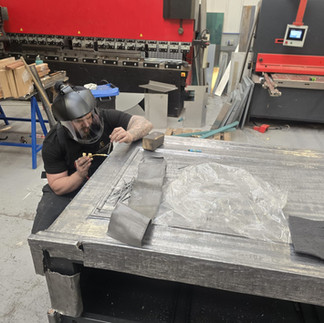
Lead cladding transforms the steel planter into a work of art. Lead is a soft, malleable metal that can be shaped to follow the planter’s contours closely. The welders carefully roll out sheets of lead and begin the delicate process of molding it around the steel frame.
This step demands patience and skill. The lead must be shaped gently to avoid cracks or imperfections. The cladding adds depth and texture, highlighting the planter’s design features. The result is a stunning finish that combines the strength of steel with the unique character of lead.





Why Lead Cladding Matters
Lead cladding is not just about aesthetics. It offers practical benefits that enhance the planter’s longevity and performance:
Weather resistance: Lead protects the steel from moisture and corrosion.
Thermal insulation: It helps regulate temperature, protecting plants from extreme heat or cold.
Unique texture: The hand-molded lead surface creates a tactile, visually appealing finish.
These qualities make lead-clad steel planters suitable for both indoor and outdoor use, blending durability with elegance.
Customization and Bespoke Details
Every planter is bespoke, tailored to the client’s specifications. This customization extends beyond size and shape to include intricate details achieved through lead molding. The lead can be shaped to create patterns, ridges, or smooth curves that enhance the planter’s character.
This level of detail requires close collaboration between designers and fabricators. Adjustments may be made during the cladding process to ensure the final product meets expectations. The bespoke nature of each planter means no two pieces are exactly alike, adding to their exclusivity.
Final Touches and Delivery

After lead cladding, the planters undergo final inspections. Any imperfections are corrected, and the surface is cleaned and sealed if necessary. The finished planter combines structural strength with artistic detail, ready to enhance any garden, patio, or interior space.
The delivery process also considers the planter’s weight and fragility. Packaging is designed to protect the lead surface during transport, ensuring the planter arrives in perfect condition.
Crafting bespoke steel planters with lead cladding is a complex process that blends technology, craftsmanship, and artistry. From the precision of 3D design to the delicate shaping of lead, each step contributes to a unique product that stands out for its beauty and durability. For those seeking planters that offer both function and exceptional detail, this approach delivers unmatched quality and style.


Comments